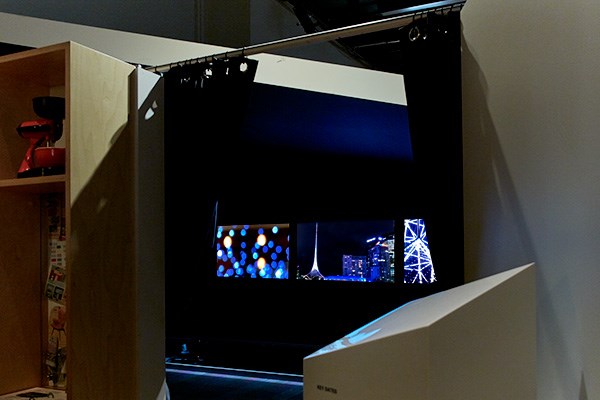
1980–Present: Changing City
It was supposed to be a massive copper spire tipped with gold, soaring over a huge new cultural complex. But when Melbourne’s Arts Centre opened in 1984, eyes turned proudly to the lattice-work frame that would become the symbol of Melbourne.
Its opening heralded a new era of Melbourne as a cultural and events capital.
Key Dates
1980
Melbourne’s population: 2,787,400
1980
Melbourne Concert Hall (now Hamer Hall) opens
1983
A massive dust storm hits Melbourne, followed by Ash Wednesday fires
1986
A car bomb is exploded by criminals outside Russell Street police headquarters
1987
Mass shootings in Queen Street and Hoddle Street
1992
Melbourne’s main street, Swanston Street, is closed to through traffic
1996
Australian Formula One Grand Prix hosted at Albert Park
1996
Construction begins on the CityLink tollway, including the Bolte Bridge and two tunnels under the Yarra River
1998
Victorians without gas in winter for two weeks after an explosion at the Esso Longford Gas Plant in Gippsland
2000
Melbourne Museum opens
2002
Melbourne 2030 plan introduced to shape and concentrate residential growth
2004
Royal Exhibition Building and Carlton Gardens receive World Heritage listing
2006
Melbourne hosts the Commonwealth Games
2008
The Melbourne Story exhibition opens